How to Find a Job Online: A Complete Guide

posted:3 days agobyHaseeb Ahmedin Jobs
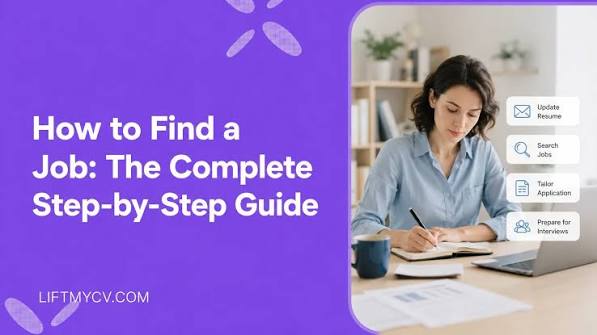
Searching for a job online has become an important part of the modern job search. Thousands of vacancies are advertised online across different industries, locations, and experience levels, giving job seekers access to a wide range of career opportunities. However, finding the right job requires more than simply submitting applications to as many vacancies as possible. A successful online job search involves understanding your career goals, identifying suitable positions, preparing a strong CV, submitting relevant job applications, and staying organised throughout the process.
Whether you are searching for your first job, looking for a new opportunity, changing careers, returning to work, or exploring jobs in a different industry, online job platforms can make the process more convenient. By using effective job search strategies, understanding job descriptions, improving your CV, and developing a consistent application routine, you can make your job search more focused and manageable.
1. Understand Your Career Goals and Job Requirements
A successful job search starts with understanding what type of work you are looking for. Before searching through vacancies, consider your skills, qualifications, previous experience, preferred location, salary expectations, working arrangements, interests, and long-term career goals. Having a clear idea of the type of position you want can help you focus your search and avoid spending time applying for jobs that do not match your background.
Think about the job titles that are relevant to your experience, but do not limit yourself to only one title. Similar responsibilities can appear under different job titles depending on the company and industry. For example, someone interested in administrative work may find suitable opportunities under titles such as Administrative Assistant, Office Administrator, Office Assistant, Operations Assistant, or Administrative Coordinator.
Your experience level should also influence your search. If you are starting your career, look for graduate, trainee, internship, junior, or entry-level jobs where appropriate. If you already have professional experience, search for positions that match your current skills, responsibilities, and career goals.
Consider your preferred working arrangements as well. Some job seekers may prefer office-based positions, while others may be interested in remote or hybrid jobs. Identifying these preferences before you begin your search can help you use online job search filters more effectively.
Having clear goals does not mean that you need to limit yourself to one specific opportunity. Instead, use your career goals as a guide to identify vacancies that offer relevant responsibilities, skills, experience, and opportunities for professional development.
2. Create and Optimise Your CV for Online Job Applications
Your CV is one of the most important parts of an online job application. Before applying for vacancies, make sure your CV contains accurate and up-to-date information about your experience, education, skills, qualifications, and achievements. It should be easy to read, professionally presented, and relevant to the types of jobs you are applying for.
Carefully review your employment dates, job titles, responsibilities, qualifications, contact information, and other important details. Check your spelling and grammar and remove information that is no longer relevant. If you have gained new skills, completed additional training, or taken on new responsibilities, update your CV accordingly.
It is also useful to tailor your CV for different job opportunities. You do not need to create a completely different CV for every application, but you should make sure that your most relevant skills and experience are easy to find. Read the job description carefully and identify the qualifications, skills, responsibilities, and experience the employer is looking for.
For example, if a vacancy focuses on customer service, highlight relevant experience dealing with customers, resolving issues, communicating with clients, and providing support. If the position requires technical knowledge, make sure relevant software, programming languages, tools, qualifications, or technical projects are clearly visible.
Using relevant keywords from the job description can also help make your CV more closely aligned with the vacancy. If you genuinely have skills mentioned by the employer, such as communication, project management, Microsoft Office, data entry, customer service, or digital marketing, make sure they are clearly presented in your CV.
A strong CV can help employers quickly understand your background and determine whether your experience is relevant to the position. It also gives you a stronger foundation when completing online job applications.
3. Search for Jobs Effectively and Use Relevant Keywords
Once your CV is ready, you can begin searching for suitable online job vacancies. Use relevant job titles, skills, locations, industries, and experience levels when searching. Most job platforms provide search filters that can help you narrow results and find positions that are more closely related to your requirements.
Do not rely on only one search term. Try different versions of a job title and search for related positions that may require similar skills. For example, someone looking for marketing work could search for Marketing Assistant, Marketing Executive, Digital Marketing, Content Marketing, Social Media, or Marketing Coordinator depending on their experience.
You can also search using specific skills or industries. If you have experience with accounting software, graphic design, web development, customer service, data analysis, or administration, include relevant terms in your searches. Combining job titles with locations or specialist skills can help you discover more relevant career opportunities.
Job alerts can also be useful when available. Setting an alert for relevant job titles, locations, or industries can help you stay informed when new vacancies are published. Instead of repeatedly checking the same searches, you can review new opportunities regularly.
When you find a vacancy that looks suitable, read the complete job description before applying. Check the responsibilities, required qualifications, experience, skills, location, working arrangements, salary information where provided, and other requirements. A job title alone does not always provide enough information to determine whether a position is suitable for you.
Take time to understand what the employer is looking for. If most of the requirements match your skills and experience, the vacancy may be worth considering. If the position requires qualifications or experience that you do not have, carefully consider whether your transferable skills or other experience are relevant before applying.
4. Prepare Relevant Job Applications and Stay Organised
Applying for a large number of jobs does not necessarily mean you will find the right opportunity faster. It can be more useful to focus on vacancies that match your skills, experience, qualifications, and career goals and submit thoughtful applications.
Before submitting an application, compare your CV with the job description. Identify the skills and experience the employer is looking for and make sure your application clearly demonstrates relevant abilities. If the employer asks specific questions, answer them carefully and provide accurate information.
If a cover letter is requested or appropriate, make it relevant to the particular vacancy. Explain why you are interested in the position and highlight experience that relates directly to the role. Avoid using exactly the same generic application for every employer.
You should also follow the employer's application instructions carefully. If they request particular documents or information, make sure everything required is included before submitting the application. Review your application one final time to check for errors and confirm that your contact details are correct.
Keeping track of your applications is another useful job search tip. Create a simple spreadsheet or list containing the company name, job title, application date, closing date, application status, interview date, and any other relevant information. This can help you remain organised when applying for several jobs.
Tracking applications can also help you prepare for interviews. If an employer contacts you, you can quickly review the original job description and remember which responsibilities and requirements attracted you to the position.
5. Stay Safe and Avoid Common Online Job Search Mistakes
Searching for jobs online provides access to many opportunities, but job seekers should also take reasonable precautions when sharing personal information. Not every vacancy or recruitment message should automatically be trusted. Be careful with opportunities that request payments simply to apply for a job, promise unrealistic earnings without clearly explaining the work, provide very limited information about the employer, or request sensitive information unnecessarily during the early stages of recruitment.
Check the employer's information and carefully review the vacancy before providing personal details. If you receive a suspicious message, verify the company and vacancy independently before continuing with the recruitment process.
Avoid sharing passwords, banking login details, or other sensitive credentials with someone claiming to be a recruiter. Be particularly careful if someone asks you to pay money to secure a job or requests unusual financial information before a legitimate recruitment process has taken place.
There are also several common job search mistakes that can make the process less effective. These include applying without reading the job description, submitting a CV with errors, using an outdated CV, applying for completely unrelated positions, forgetting application deadlines, and failing to keep track of previous applications.
Another common mistake is relying entirely on quantity. Sending the same application to hundreds of vacancies may be less useful than carefully applying to suitable opportunities. Focus on relevance and quality while maintaining a consistent search routine.
Being careful online does not mean avoiding digital job platforms. It means taking sensible steps to verify opportunities, protect your personal information, and make informed decisions during the online job search.
6. Stay Consistent, Improve Your Skills and Continue Your Job Search
Finding a job online can take time, so consistency is important. You may not receive a response from every employer, and some applications may not progress to the next stage. Instead of becoming discouraged, use the process as an opportunity to improve your CV, application approach, interview skills, and understanding of the types of positions available in your field.
If you are regularly applying but not receiving interviews, review your CV and consider whether it clearly demonstrates the skills employers are requesting. You may need to improve the way you describe your responsibilities, achievements, technical skills, or transferable skills.
If you are reaching the interview stage but not receiving offers, spend more time preparing for common interview questions and practising how you explain your experience. Research the companies you apply to and prepare examples that demonstrate how your skills relate to the position.
Continue developing your skills while searching for work. Online courses, professional training, personal projects, volunteering, freelance work, and other practical experiences can help strengthen your CV and demonstrate your commitment to your career. Developing new skills can also help you qualify for a wider range of job opportunities.
It can also be useful to regularly review your career goals. Your interests may change as you learn more about different industries and positions. You may discover new career paths that match your existing skills or decide to develop additional skills for a different type of role.
Searching for a job online is an ongoing process that requires preparation, organisation, and consistency. By understanding your career goals, keeping your CV updated, using relevant search terms, reading job descriptions carefully, tailoring your applications, tracking your progress, and staying safe online, you can create a more structured job search strategy.
Whether you are looking for your first job, changing careers, returning to work, or searching for your next professional opportunity, online job platforms can help you explore vacancies across different industries and locations. The key is to focus on opportunities that match your skills and goals while continuing to improve your application and professional skills.
Start exploring available vacancies on Fratres and discover job opportunities that match your skills, experience, qualifications, and career goals. With a focused online job search and a consistent approach to applications, you can take practical steps towards your next career opportunity.
Powered by Froala Editor